





A Practitioner's Guide to Protein Powders
Reviewed by Carolyn Mulally BS, RN, HN-BC · Holistic Health Partners
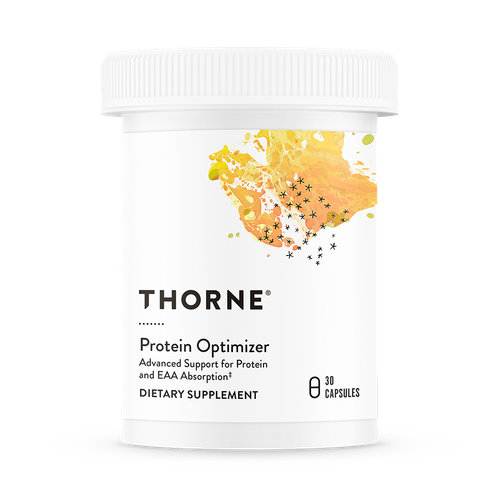
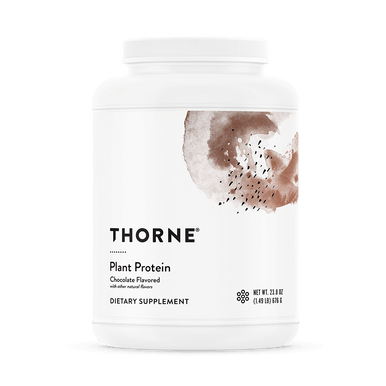
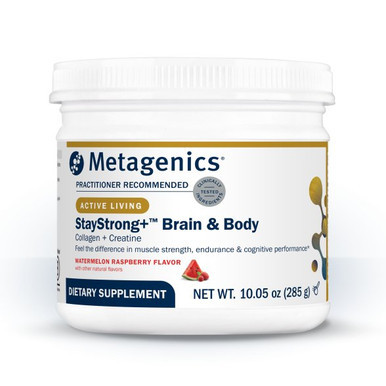
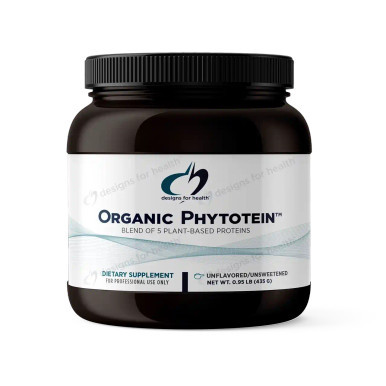
Protein needs rise with training, age, and healing — and most people meet them more easily with a scoop than a second chicken breast. The powders above are what our clinic recommends: whey isolates, collagen peptides, bone broth proteins, and clean plant options from Thorne, Designs for Health, Klean Athlete, and Biotics Research.
Whey isolate: the efficiency benchmark
Whey isolate delivers the highest leucine content per scoop — the amino acid that triggers muscle protein synthesis — with most of the lactose removed. Thorne's and Klean's isolates add NSF-grade purity for athletes; Whey Cool uses non-denatured processing from grass-fed sources.
Collagen and bone broth: the structural proteins
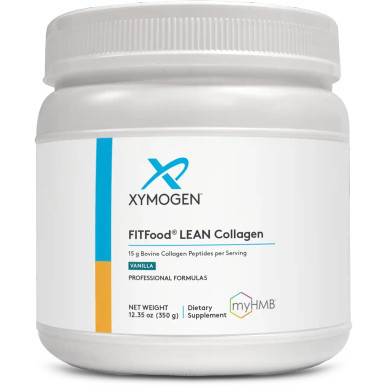
Collagen peptides (Klean Collagen+C, CollaGEN) supply the amino acids joints, skin, and connective tissue are made of — note collagen is not a complete muscle-building protein; it's structural support. Bone Broth Protein (formerly PurePaleo) splits the difference: a complete beef-derived protein with collagen's amino profile.
Plant-based and functional options
Clean vegan blends cover dairy-free needs with complete amino profiles, while functional formulas like UltraMeal Cardio 360 fold heart-health nutrition into the daily shake.
Muscle, joints, or just more protein — pick the powder built for it.
Get a free product consultation with our licensed healthcare practitioner — ingredients, dosing, and honest guidance. The right supplements, not more supplements.
Whey concentrate vs isolate — does it matter?
Isolate is more filtered: more protein per scoop, minimal lactose, faster absorption. If dairy bothers you or you count macros closely, isolate is worth it — and it's what we predominantly carry.
Does collagen build muscle?
Not efficiently — it's low in leucine. Collagen's lane is joints, skin, and connective tissue, where its amino acid profile shines. For muscle, pair it with whey or a complete protein rather than replacing one.
How much protein do I actually need?
More than the minimum, especially past fifty — commonly 1.2–1.6 g per kilogram for active adults. Where your meals land, and what a scoop should add, is a five-minute consultation question.
Which protein is easiest to digest?
Bone broth protein and collagen tend to sit lightest; whey isolate is gentler than concentrate; plant blends vary by formula. If powders have bothered you before, tell us — there's a comfortable answer here.