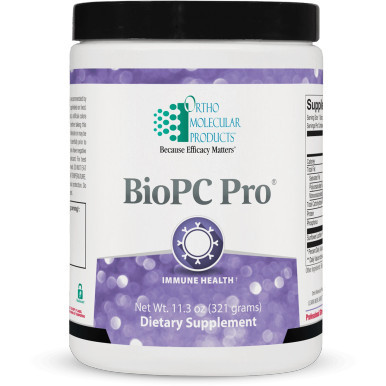
BioPC Pro by Ortho Molecular Products – Phospholipid Complex for Cellular Membrane Support
BioPC Pro by Ortho Molecular Products is a high-dose phospholipid complex formulated to support healthy cellular structure, signaling, mitochondrial function, immune function, and GI barrier integrity. This concentrated sunflower lecithin powder provides naturally occurring phosphatides that help maintain cellular membrane support, mitochondrial support, and overall immune support.
Key BioPC Pro Benefits
- Supports healthy cellular structure, function, and signaling
- Promotes mitochondrial support and energy-related cellular function
- Helps maintain healthy immune support and normal inflammatory balance
- Supports GI barrier health and intestinal membrane integrity
- Helps support focus, cognitive function, and overall brain health
How BioPC Pro Works
BioPC Pro supplies a full-spectrum phosphatide blend that helps support cell and mitochondrial membrane function, healthy cell signaling, and normal immune-health balance. Phosphatidylcholine, phosphatidylinositol, phosphatidylethanolamine, and phosphatidic acid work together to support membrane structure, nervous system balance, fat processing, and healthy gastrointestinal barrier function.
Key Functional Ingredients Include:
- Sunflower Lecithin Powder: Provides naturally occurring phospholipids that support cell membrane structure, signaling, fat processing, and nervous system balance.
- Phosphatidylcholine: Supports healthy cellular membranes, mitochondrial function, and GI mucus layer integrity.
- Phosphatidylinositol: Helps support cell signaling and normal cellular communication.
- Phosphatidylethanolamine: Supports cellular and mitochondrial membrane structure.
- Phosphatidic Acid: Contributes to the naturally occurring phospholipid profile of the formula.
BioPC Pro Is Formulated For
- Individuals seeking cellular membrane support and phospholipid replenishment
- Those wanting targeted mitochondrial support and immune-health balance
- Adults looking to support GI barrier health and intestinal integrity
- Individuals seeking support for focus, cognitive function, and overall brain health
Supplements support your health but do not replace a balanced diet. Always check with your healthcare practitioner if you have doubts about a new supplement. Or you may book a FREE product consultation with Holistic Health Partners. You may also want to explore our other Brain Products and Immune Support Supplements collection.
Recommendation: 1 scoop (10 grams) per day with a meal or as recommended by your health care professional. May be mixed in juice or shakes, or sprinkled on food.
Serving Size: 1 Scoop (10 Grams)
Servings Per Container: About 30
Calories ... 70
Total Fat ... 6 g 8%*
Saturated Fat ... 1.5 g 8%*
Polyunsaturated Fat ... 3 g
Monounsaturated Fat ... <1 g
Total Carbohydrate ... 3 g 1%*
Total Sugars ... <1 g
Phosphorus ... 270 mg 22%*
Sunflower Lecithin Powder ... 10 g **
* Percent Daily Values are based on a 2,000-calorie diet.
** Daily Value not established.
Typical naturally occurring phospholipid profile (per 10 g serving)‡:
Phosphatidylcholine ... 2.5 g (2,500 mg)
Phosphatidylinositol ... 2 g (2,000 mg)
Phosphatidylethanolamine ... 1 g (1,000 mg)
Phosphatidic acid ... 0.4 g (400 mg)
‡ subject to natural variability
Does not contain: Gluten, corn, yeast, artificial colors and flavors.
Warnings/Cautions: If you are pregnant or nursing, consult your health care professional before taking this product.
These statements have not been evaluated by the FDA. This product is not intended to diagnose, treat, cure, or prevent any disease.